The high-mileage years
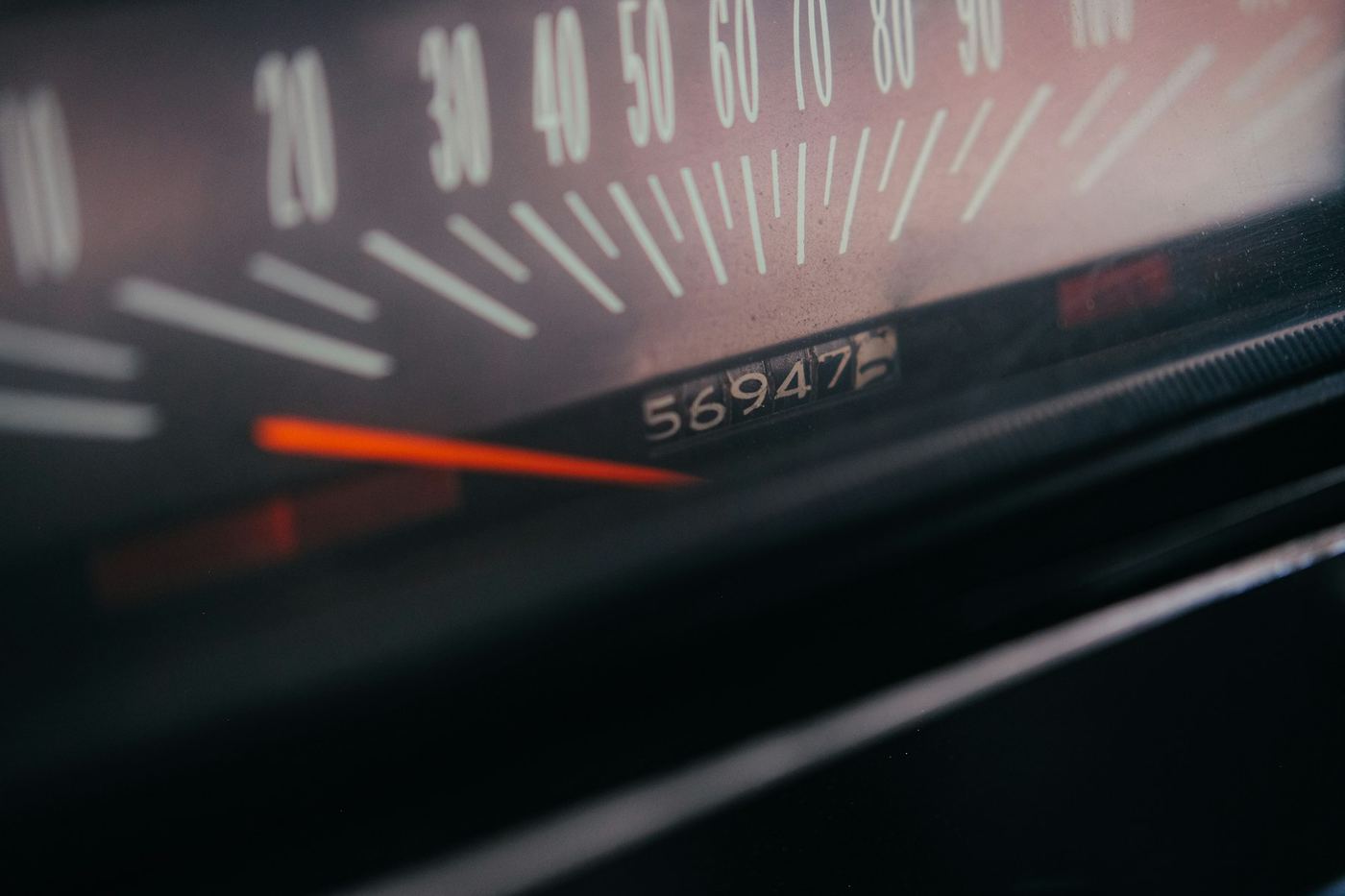
An older car can stay useful for a long time when its owner plans for the larger jobs and watches the small changes closely.
See the stepsStage 05 Older cars, steady care
Plan the large jobs before they come due
Later in a car’s life the manual’s schedule brings up larger items: spark plugs, a timing belt on engines that use one, transmission fluid, coolant and sometimes suspension parts. Rubber seals and hoses age as well, and small drips appear. None of this means the car is finished. It means the costs come in bigger pieces, and an owner who sees them coming can plan for each one instead of reacting.
What this stage covers
The larger service items later in the manual’s schedule, and how to ask a shop which of them your car has already had.
Leaks, noises and aging rubber parts that become more common on an older car, and how to describe them to a shop.
For a hybrid or electric car, what changes with age, including battery capacity and the cooling systems that look after it.
Signs worth writing down
- Spots under the parked car
- New noises over bumps
- Oil or coolant levels dropping
- Changes in how it shifts
- Slower starts on cold mornings

Look ahead in the schedule, not just at the next visit. Find the larger items coming up and ask a shop whether your car has had them, using your records or the shop’s own history. A timing belt, where an engine has one, is the classic example: the manual sets the point for replacing it, and the shop can tell you what else is usually done at the same time. Ask for a written quote early so the cost has a place in your budget.
Small changes matter more now. A few drops on the driveway, a level that falls between visits or a new clunk over bumps are worth writing in your log with the date and reading, then showing to a shop at the next visit. A flashing warning light, smoke, a burning smell or brakes that feel wrong are different: pull over safely and have the car checked before driving on. On a hybrid or electric car, any work on the high-voltage battery or its cables is for trained technicians only.
-
Step 01
Read ahead in the schedule
List every larger item the manual shows for the next stretch of the car’s life, not only the next visit.
-
Step 02
Check what was done
Mark which of those items your records or the shop’s history show as already completed, and which are unknown.
-
Step 03
Get quotes early
Ask for written quotes on the remaining items while nothing is urgent, so you can compare shops at your own pace.
-
Step 04
Build a cushion
Set aside part of your budget for the larger jobs and for the unplanned repairs an older car tends to bring.
Questions to take to the shop
- Which of the larger items in my manual’s schedule does your history show this car has already had?
- Is this leak something to fix now, or something to watch and measure at each visit?
- What else would you usually replace at the same time as this job, and why?
Owners also ask
Some oils are sold for older engines, with additives meant for aging seals. Whether one suits your car depends on what the manual specifies and on the engine’s condition. Ask the shop whether your engine is burning or leaking oil, and use only an oil that meets the grade and specification in the owner’s manual.
Add up what you have spent on unplanned repairs over a recent stretch using your records, and set it beside the quotes for what is coming next. That comparison, not the odometer alone, is the useful one. The repair or replace guide walks through the rest of the decision, including a second opinion and your budget.
Hybrid and electric batteries slowly lose some capacity as they age, and how much varies widely between cars and how they are used. On a hybrid it may show as the engine running more often. The guide to battery health explains what to watch for, and any work on the battery itself is for trained technicians only.
Updates on owning a car
Occasional emails from Summit Road about service, wear parts and records, and texts only if you tick the box.
Sign up for updates