The first month with a car
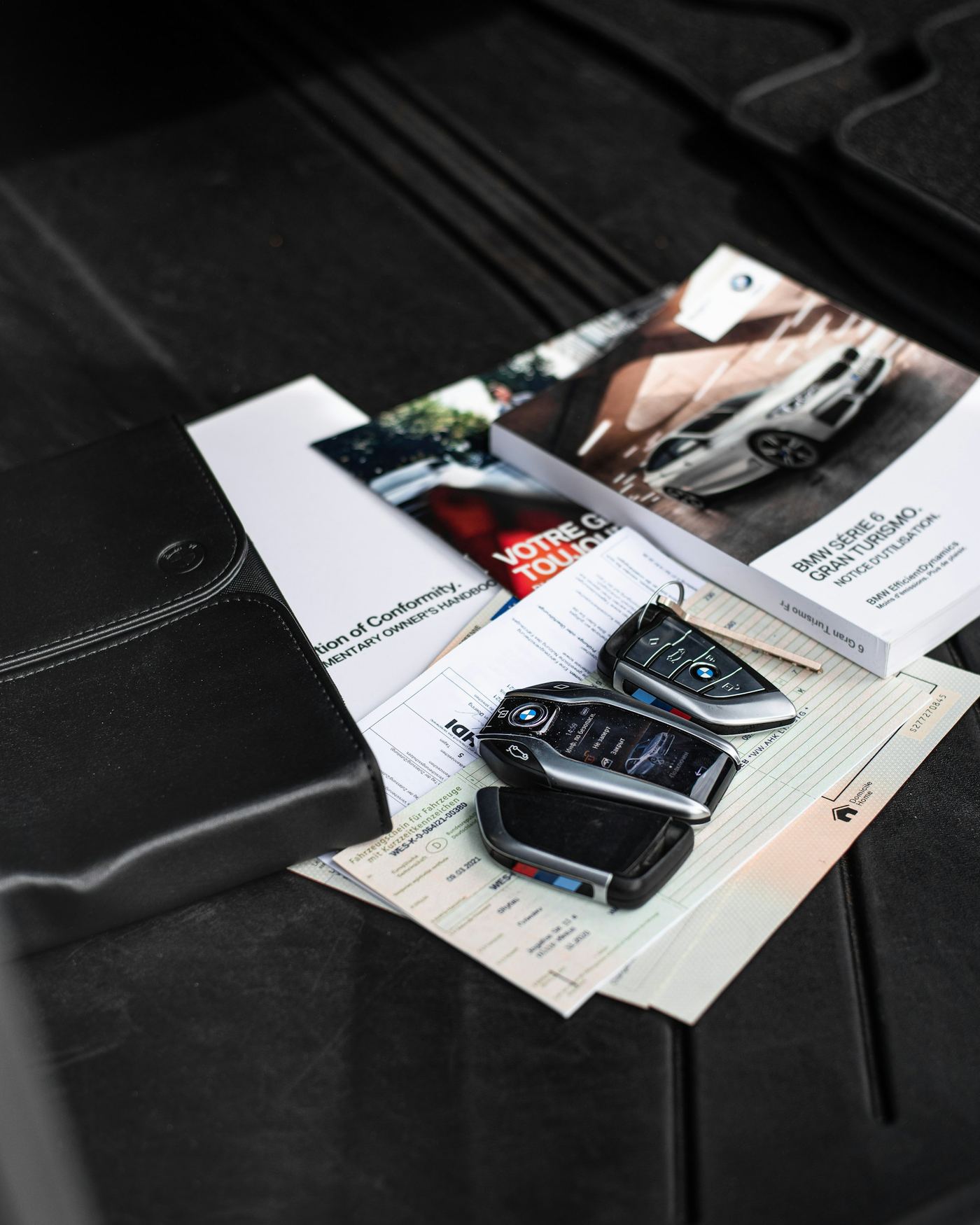
The weeks after you take the keys are the easiest time to learn what this car expects from you, before anything is due or anything goes wrong.
See the stepsStage 01 Getting to know it
Start with what the car already tells you
A car arrives with its own instructions: the owner’s manual, a maintenance schedule, a tire placard on the door frame and a dashboard full of symbols. They are easy to skim once and forget. Spending a few evenings with them now gives you a baseline for everything that follows on this site, from routine service to the day you weigh a large repair against moving on.
What this stage covers
Reading the owner’s manual for the parts that matter to you: the maintenance schedule, the fluids it names and the warning symbols.
Finding out what the car has already had done, from the previous owner’s receipts or the dealer’s delivery paperwork.
Setting up a simple place for receipts and notes, so each later visit to a shop adds to a record you can read.
What to keep in the glovebox
- The owner’s manual
- Current registration card
- A tire pressure gauge
- The latest repair order
- A pen and small notebook

Start with the maintenance schedule, which usually sits near the back of the manual or in a separate booklet. It lists what the carmaker wants done and when, often with a second, stricter schedule for hard use such as short trips, towing, dusty roads or extreme weather. Read both and decide honestly which one describes your driving. That choice shapes every service visit you book, so write it on the first page of your records.
Then learn the dashboard. Many cars show every warning symbol for a moment when the ignition comes on, which is a good chance to see them all. Look each one up in the manual and note its color, since red symbols tend to mean pull over somewhere safe and amber ones mean book a visit. A flashing light, smoke, a burning smell or brakes that feel wrong mean pull over safely and have the car checked before driving on.
-
Step 01
Read the schedule pages
Find the maintenance schedule in the manual and mark which version, normal or severe use, fits the way you drive.
-
Step 02
Gather the past paperwork
Collect any receipts, inspection reports or delivery papers that came with the car and put them in date order.
-
Step 03
Look up open recalls
Enter the car’s VIN in the federal recall lookup and call the dealer’s service desk about anything still open.
-
Step 04
Note today’s odometer reading
Write down the date and the reading so the next service, and every one after it, has a starting point.
Questions to take to the shop
- Is anything in this car’s service history overdue or coming up soon?
- Which maintenance schedule in the manual would you follow for the way I drive?
- Can you see any open recalls or service campaigns on this VIN?
Owners also ask
Treat the car as if every item on the schedule is unknown. Ask a shop to look over the fluids, filters, belts, brakes and tires and give you a written repair order of what they found. Keep that as the first page of your records, and plan the overdue items over the coming visits according to what the shop says is urgent.
Some manuals still describe a gentle first stretch for a new engine, new brakes or new tires, such as varying your speed and avoiding hard stops. Others say nothing about it. If yours gives break-in advice, follow it as written, because the carmaker knows its own parts. If the car is used, the break-in is long past and the section does not apply.
Look the symbol up in the manual and note its color. An amber light that stays steady usually means book a visit soon. A red or flashing light, smoke, a burning smell or brakes that feel wrong mean pull over safely and get the car checked before you drive on. If the car is still under warranty, call the dealer’s service desk first.
Updates on owning a car
Occasional emails from Summit Road about service, wear parts and records, and texts only if you tick the box.
Sign up for updates