Routine service

Routine service is the dull, regular work that helps a car stay predictable: oil, filters, fluids and inspections, done on the carmaker’s schedule rather than whenever something sounds odd.
See the stepsStage 02 Oil, filters and fluids
The schedule in the manual sets the pace
Every car comes with a list of jobs and the points at which they fall due, measured by distance, by time or by whichever comes first. A shop may offer its own list, often longer. The manual’s list is the one written for your engine and transmission, so it is the place to start, and the shop’s suggestions are things to ask about rather than things to accept on sight.
What this stage covers
Reading the maintenance schedule, including the difference between the normal list and the one for short trips, towing or extreme weather.
Understanding the items on a typical service visit, from engine oil and filters to brake fluid, coolant and a look at the belts.
Telling the jobs the carmaker lists apart from the extra services a shop may suggest, and how to ask about each of them.
Before you book a service
- The manual’s schedule page
- Today’s odometer reading
- Your last repair order
- A list of noises or changes
- What you plan to spend
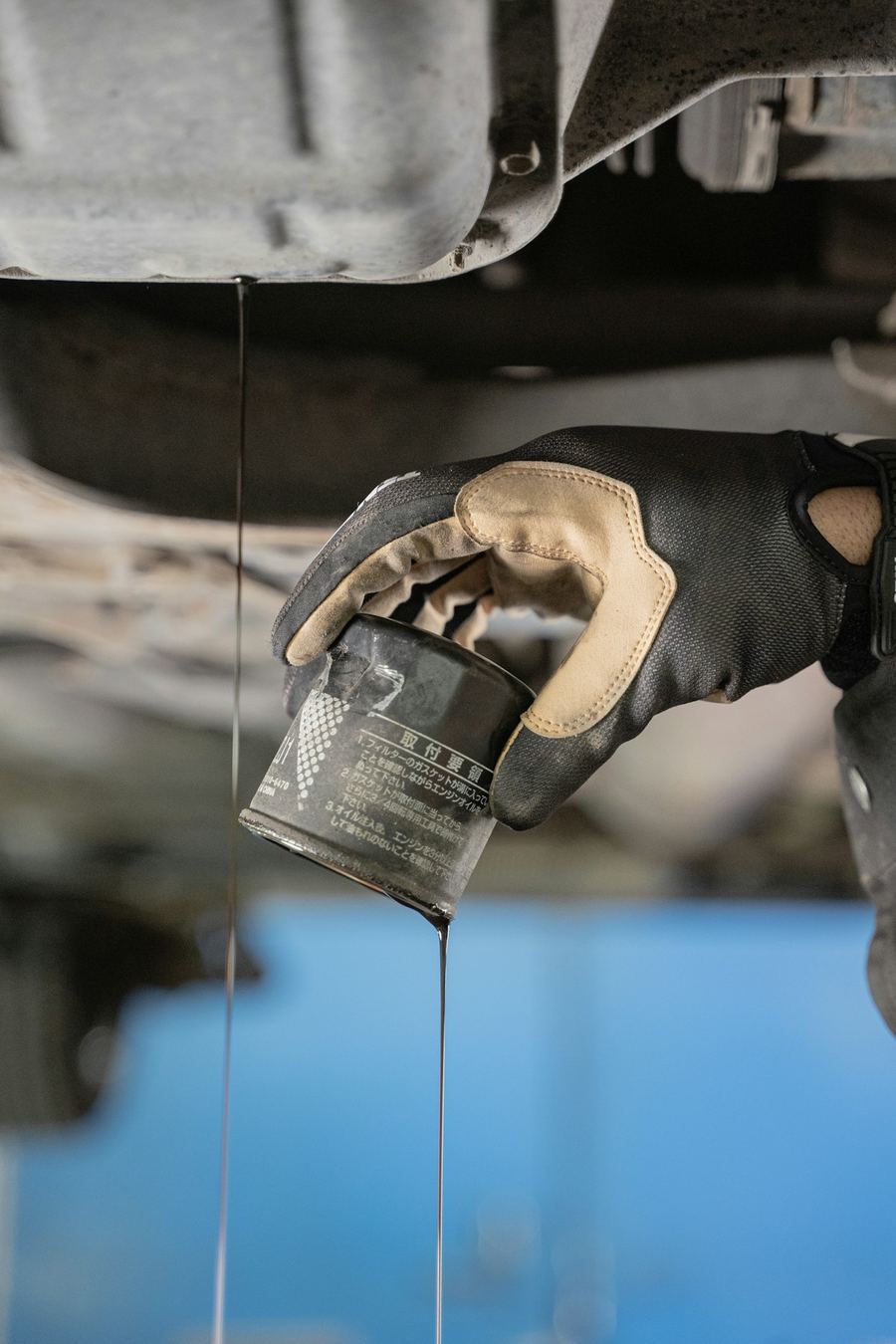
Book by the schedule, not by the reminder sticker on the windshield, which a shop may set to its own interval. Look at what is due at the next point on the list and call ahead with that list in hand. Asking for the specific items by name, and asking for a written estimate before any work starts, keeps the visit to what you came for and gives you something to compare if you call a second shop.
Expect the shop to suggest more than the manual lists. Some suggestions are sound, such as a filter that looks dirty or a fluid that has darkened, and a good service writer will show you the part or the test result. Others are package services with vague names. For each one, ask what the manual says about it, what the shop saw on your car and what happens if it waits until the next visit.
-
Step 01
Find the next due point
Compare today’s odometer reading and the date of your last visit with the schedule to see which items come up next.
-
Step 02
Call with the list
Ask the shop to quote those items by name and to send or hand you a written estimate before work begins.
-
Step 03
Approve one item at a time
When the shop calls about extra work, ask what they found and whether it can wait, then approve or decline each item.
-
Step 04
File the repair order
Keep the finished repair order with your records, and write the next due point across the top of it.
Questions to take to the shop
- Which items on today’s list come from the carmaker’s schedule, and which are your shop’s own suggestions?
- Can you show me the filter, fluid or test result that made you suggest this extra work?
- What oil grade and specification are you using, and does it meet what my owner’s manual calls for?
Owners also ask
Many cars estimate oil life from how the engine has been used, and the manual explains how far to trust that estimate. Follow what the manual says about it, including any outer limit by time. When the reminder and the printed schedule seem to disagree, ask the dealer’s service desk which one the carmaker wants you to follow for your car.
Most manuals describe a harder schedule for conditions such as lots of short trips, stop-and-go traffic, towing, dusty or salted roads and very hot or cold weather. Each manual defines it in its own words, so read yours rather than a general list. If several of the conditions describe your week, follow the severe list and tell the shop you are doing so.
Yes, though the list is shorter and different. There is no engine oil to change, but brake fluid, coolant for the battery and motor, cabin air filters, tires and wiper blades still come due on the manual’s schedule. The guide to servicing an electric car covers what is on that list and what only trained technicians should touch.
Updates on owning a car
Occasional emails from Summit Road about service, wear parts and records, and texts only if you tick the box.
Sign up for updates