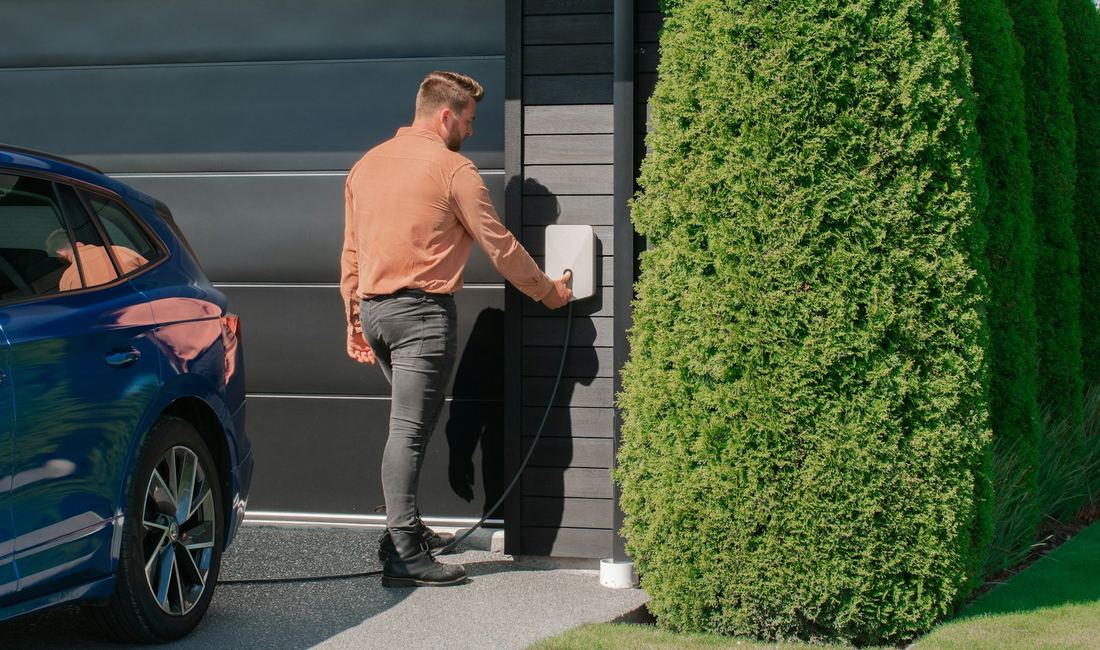
Servicing an electric car
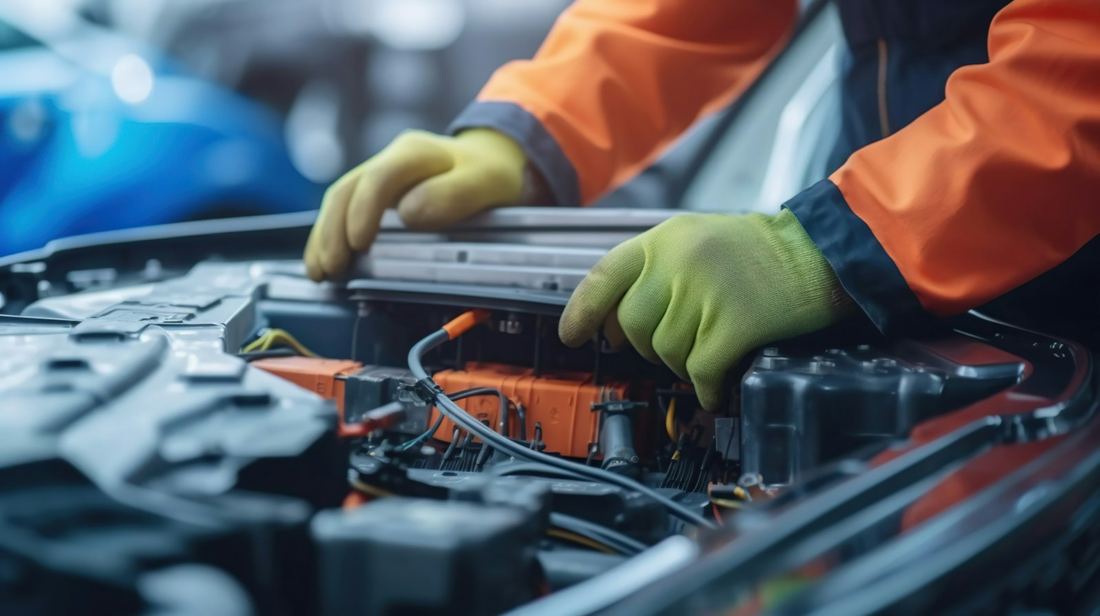
With no engine oil, spark plugs or exhaust, an electric car has a shorter service list. What is left on it still matters, and some of it wears faster.
Owning an electric car removes a long list of jobs: oil and oil filters, spark plugs, timing belts, exhaust parts and most of what goes wrong with a gas engine. That is real, and it changes how often you visit a shop. It does not remove the visits. The manual still has a maintenance schedule, and it is shorter, not empty.
What remains is a mix of ordinary car parts and parts unique to electric drive. Tires, brakes, suspension, wipers and the cabin air filter are the same as on any car. Coolant loops for the battery and motor, the low-voltage battery and software updates are specific to the car. The high-voltage system itself is for trained technicians only.
An electric car asks for fewer visits to the shop, but the visits it asks for still matter.
Electric cars are heavy and deliver their pull instantly, which can wear tires faster than on a similar gas car. Rotating them on the schedule in the manual and checking the alignment when wear looks uneven tend to help. Price the tires the car uses before they are due, since the size and type can surprise owners.
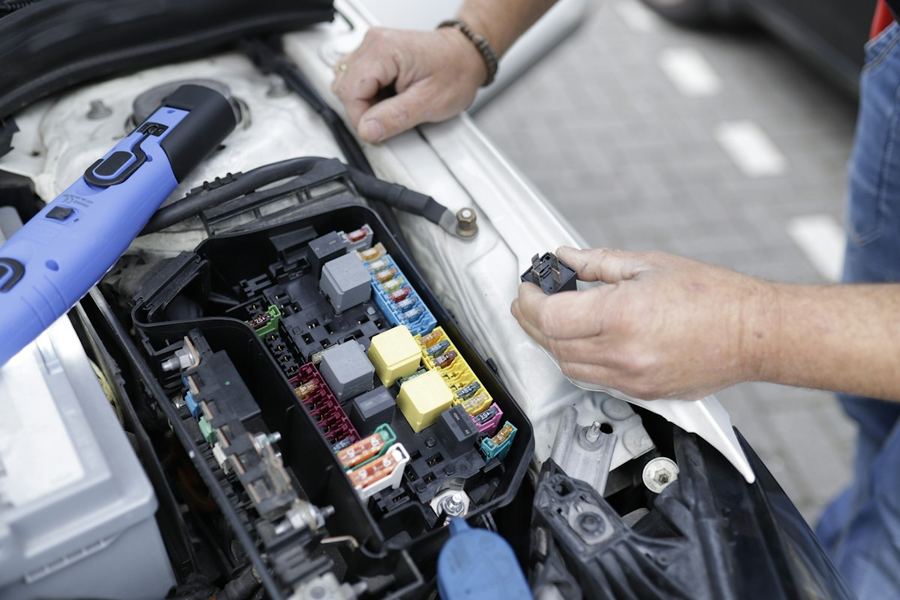
The low-voltage battery runs the locks, screens and computers that wake the car up, and it can fail like the battery in any car. When it goes flat the car may not start at all, even with a full high-voltage battery. Ask the shop to test it at routine visits and keep the result with your records.
What the schedule still includes
Read the maintenance schedule in your manual from start to finish, so you know what is coming. Expect tire rotations, brake fluid, the cabin air filter, wiper blades, coolant for the battery and motor and a general inspection. Some items are set by time rather than distance, because brake fluid and coolant age even when the car is parked.
- Tire rotation, alignment and pressure
- Brake fluid and a look at the calipers
- Cabin air filter and wiper blades
- Battery and motor coolant on the manual's schedule
- The low-voltage battery tested at routine visits
Brakes that work less often
Regenerative braking does most of the everyday slowing, so the pads and rotors on an electric car can go a long time between replacements. The catch is that brakes used gently can corrode, and rotors can rust where they rarely get warm. Ask the shop to clean and lubricate the calipers when the manual calls for it, and mention any grinding or pulling.
- Ask about caliper cleaning at the intervals in the manual
- Use the friction brakes firmly now and then if the manual suggests it
- Pull over safely and get the car checked if the brakes feel wrong
- Keep brake repair orders with the rest of your records
Questions about servicing an electric car
Many independent shops can handle tires, brakes, suspension, wipers and the cabin air filter. Anything touching the high-voltage system needs trained technicians and the right equipment, so ask the shop directly whether it is trained on electric cars. The dealer's service desk can also tell you which items need a dealer visit under the warranty.
Some updates change how the car charges, slows or looks after its battery, so they belong in the car's history. Keep the release notes or a screenshot, write down when the update arrived and ask the service desk about any update linked to a recall notice.
Electric cars add lights for the charging system, the high-voltage battery and reduced power, and the manual's section on dashboard lights says what each one means. Any light that flashes, along with smoke, a burning smell or brakes that feel wrong, is a reason to pull over safely and have the car checked before going further.
Keep reading
More on electric and hybrid

Updates on electric and hybrid driving
Pick electric and hybrid when you sign up. A text comes only after you tick the box; reply STOP to end them.
Sign up for updates