Repair or replace
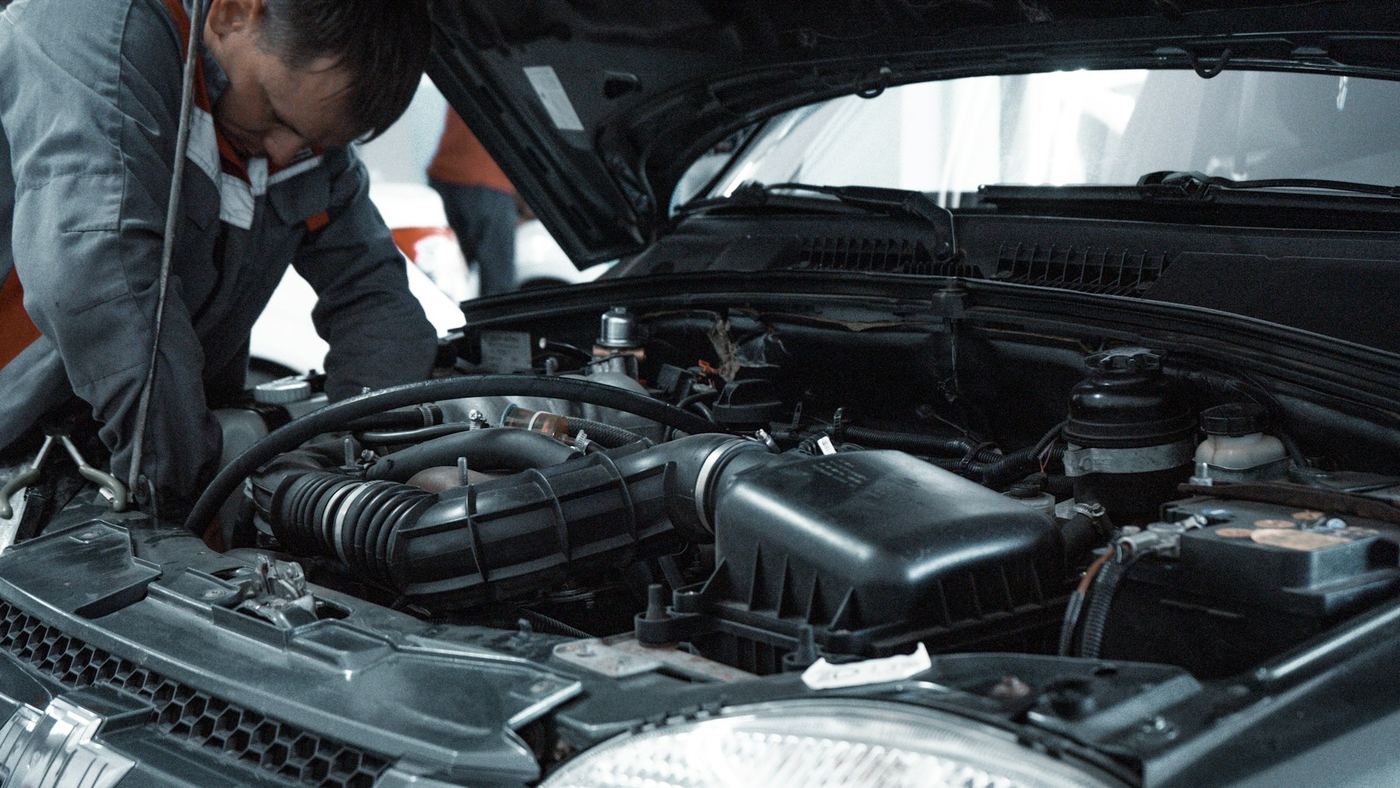
A big repair estimate forces a decision. Taking time to gather the numbers, a second opinion and your own records usually makes it a calmer one.
See the stepsStage 06 Weighing a big repair
Decide with the estimate, the records and the budget
Sooner or later a shop hands you an estimate large enough to make you wonder whether the car is worth it. There is no single rule for the answer. It depends on what the repair fixes, what else the car is likely to need soon, how reliable it has been for you and what a different car would cost to buy and run. This page sets out how to weigh those things without being rushed at the counter.
What this stage covers
Reading a large estimate line by line, and asking which parts are needed now and which can wait for a later visit.
Getting a second opinion on a major repair, and what to bring so the second shop starts from the same facts.
Weighing the repair against what the car is likely to need next, its record with you and what you plan to spend.
Bring these to the decision
- The written estimate
- A second shop’s estimate
- Your service records
- Upcoming items from the schedule
- What you plan to spend
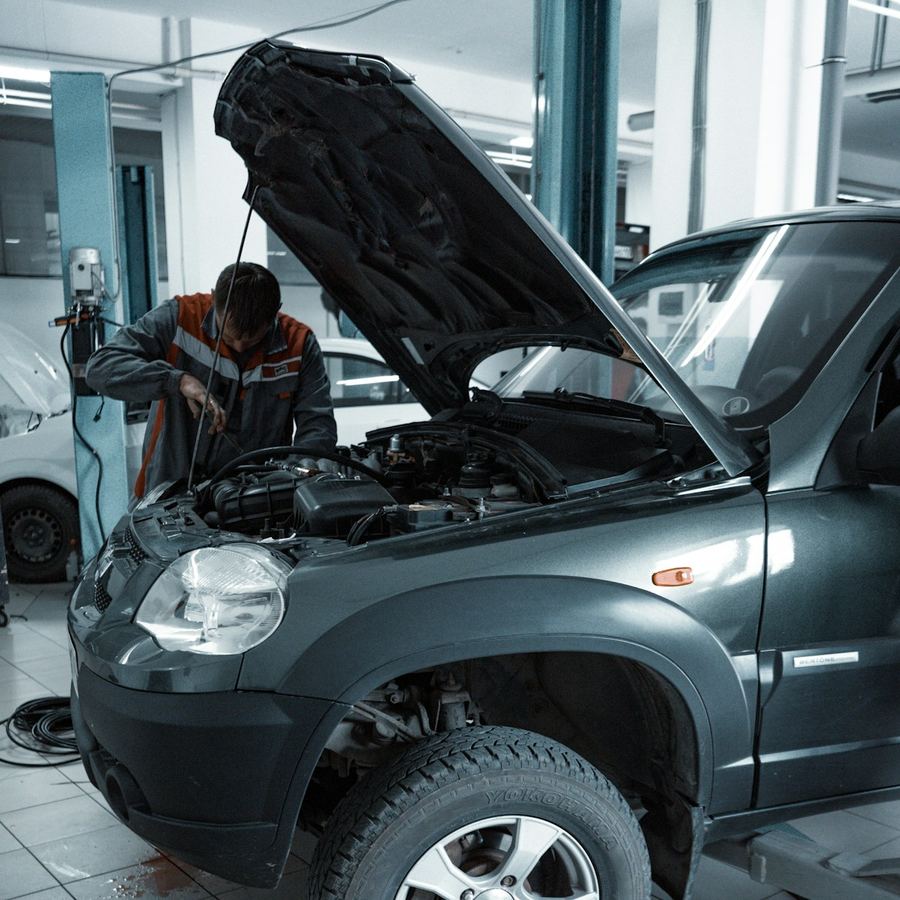
Start by understanding the estimate. Ask the shop to separate the repair that fixes the complaint from the extra items it found along the way, and to rank them by urgency. Ask what happens if the repair waits, and whether the car is safe to drive in the meantime. Then take the written estimate to a second shop, along with your records, and ask for its own diagnosis rather than a price for the first shop’s list.
Next, look past this one repair. Your records show how often the car has needed unplanned work, and the manual’s schedule shows what larger items are still ahead. Set the repair cost and those upcoming costs beside what you plan to spend on a car over the same stretch. A car that has been dependable and needs one large fix is a different case from one that keeps returning to the shop.
-
Step 01
Get the estimate in writing
Have the shop list each part and the labor separately, marked by what is urgent and what can wait.
-
Step 02
Get a second diagnosis
Take the car and the written estimate to another shop and ask what it finds before you mention a price.
-
Step 03
Look at what comes next
Use your records and the manual’s schedule to list the larger costs the car is likely to bring after this repair.
-
Step 04
Decide against your budget
Compare the repair and the costs after it with what you plan to spend, then decide without being hurried.
Questions to take to the shop
- Which items on this estimate fix the problem I came in with, and which did you find along the way?
- Is the car safe to drive while I get a second opinion, and what should I watch for?
- Are you quoting new, rebuilt or used parts, and what warranty comes with each one?
Owners also ask
General rules comparing repair costs with a car’s value circulate widely, but they leave out how dependable the car has been and what a different car would cost you to run. Use your own records, a second estimate and your budget instead. If the car has been reliable and the repair is a one-off, that weighs differently from a pattern of breakdowns.
The inspection report lists what failed and usually what has to be fixed before a retest. Take that report to a shop for a written estimate, and to a second shop if the amount is large. Then weigh it like any other big repair, using your records and your budget. The office that runs the inspection can explain its own retest deadline.
It depends on the quote, the rest of the car and your budget. Some shops offer new, rebuilt or used battery packs, each with its own warranty, and the dealer’s service desk can quote the carmaker’s part. Ask what each option covers and for how long. Work on the high-voltage battery is for trained technicians only, so ask whether the shop has them.
Updates on owning a car
Occasional emails from Summit Road about service, wear parts and records, and texts only if you tick the box.
Sign up for updates