Range in cold and heat
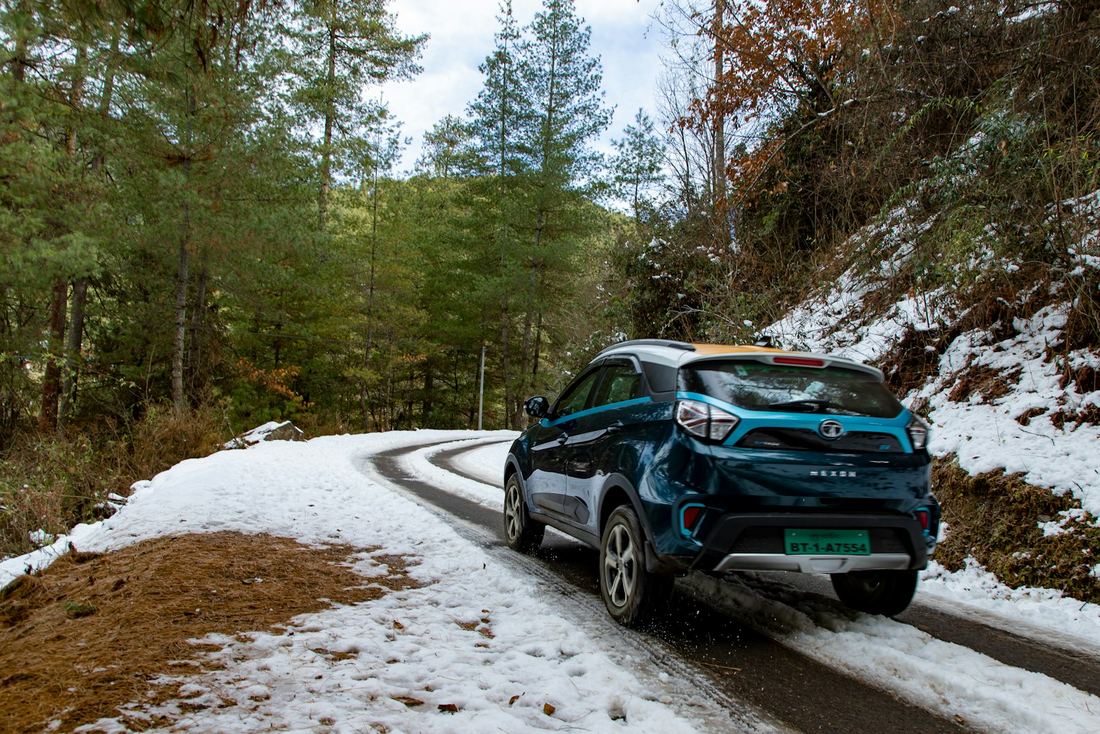
Weather changes how far an electric car goes on a charge. Knowing why lets you plan for cold and heat instead of being caught out by the range display.
A battery is a chemical store, and chemistry slows down in the cold. On a freezing morning the car holds less usable energy at first, accepts charge more slowly and spends some of what it has warming the cabin and the pack itself. The range display reacts to all of that, which is why the estimate can look short before you have left the driveway.
Heat works differently. A hot day pulls range down through the air conditioning and through the effort of keeping the battery cool, and long spells of heat can be harder on a battery over the years than brief cold snaps. Neither one harms the car in a single day. Both are worth planning around, especially if your commute or your trips sit near the edge of the car's range.
In cold weather, the cheapest heat is the heat the car makes while it is still plugged in.
Most electric cars let you set a departure time so the cabin and the battery warm up while the car is still on the charger. That energy comes from the wall rather than the battery, so you leave with more of the range you charged. Your manual explains where the setting lives and whether it works on a standard household outlet.
Seat heaters and a heated steering wheel warm you directly and tend to use less energy than heating all the air in the cabin. On a cold commute, using them first and keeping the cabin a little cooler can stretch the range. On a hot day, parking in shade or in a garage gives the cooling system less to do when you return.
Planning the cold months
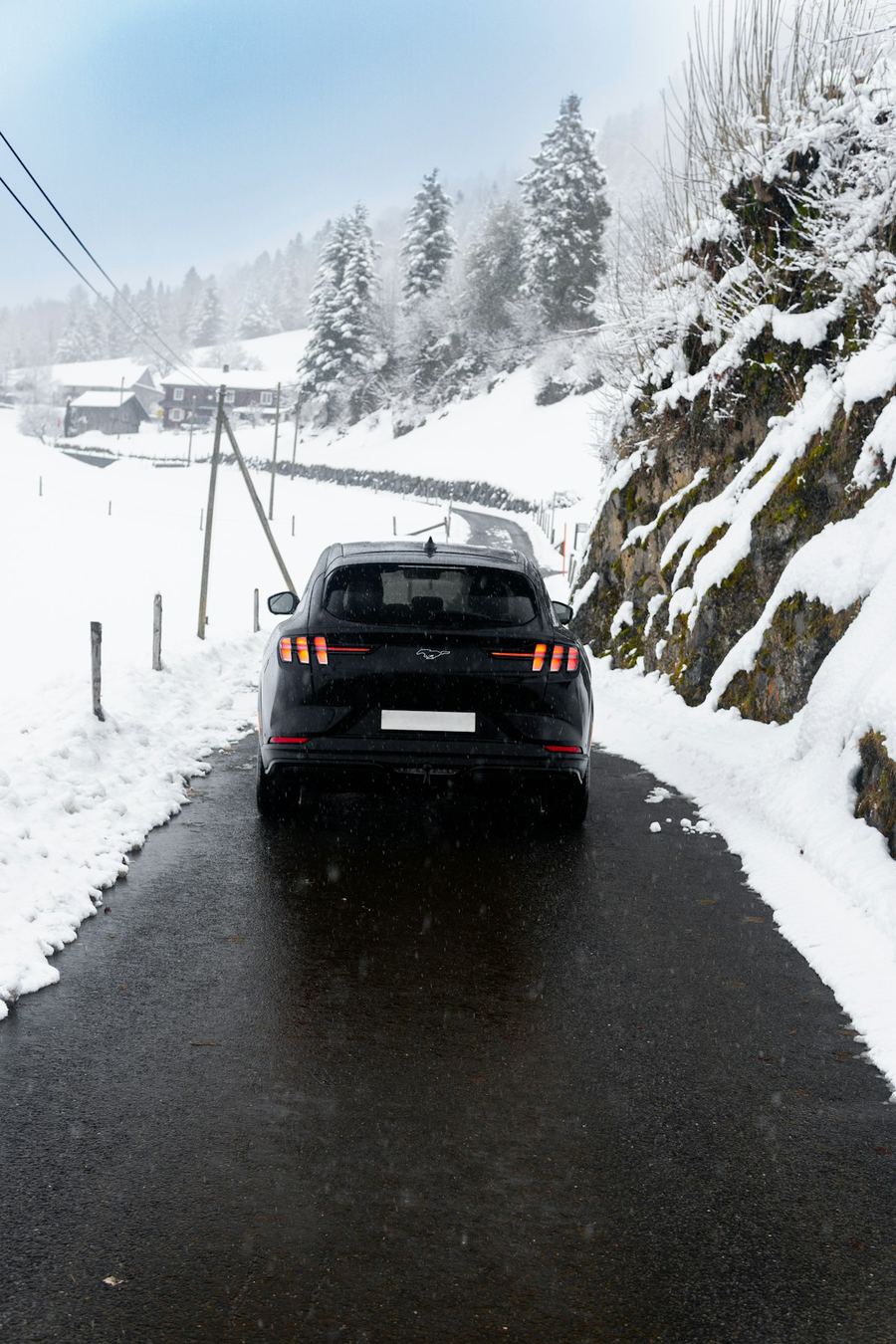
Winter is the season to give yourself more margin. Charge higher before long days, plug in at home whenever the car is parked there and expect fast charging to take longer while the battery is cold. Check tire pressures as the weather turns, since cold air lowers them and soft tires pull down range as well.
- Set a departure time so the car warms on the charger
- Use seat and steering heaters before the cabin heater
- Keep more margin on cold days than on mild ones
- Leave extra time for fast charging with a cold battery
Planning the hot months
In hot weather the car works to keep the battery cool, even while parked, and that draws a little energy. Parking in shade, plugging in when the car will sit in the heat and not leaving the battery full or nearly empty for long spells all tend to help. Your manual may say what it suggests for long parking in a hot climate.
- Park in shade or a garage when you can
- Cool the cabin while the car is still plugged in
- Avoid leaving the battery full through long hot spells
- Follow the manual's advice for parking in extreme heat
Questions about range in cold and heat
The battery holds less usable energy when it is cold, and the car spends some of its charge warming the cabin and the pack. The display estimates from recent driving and current conditions, so it reacts quickly. Much of the lost range tends to come back as the battery warms and the weather turns milder.
Cold reduces range and slows charging for the day, but the effect is mostly temporary. The car looks after the battery by warming it when it needs to. Leaving the car plugged in during very cold spells lets it do that from the wall. Your manual describes any steps it suggests for long parking in deep cold.
Many manuals suggest it, because the car can use power from the wall to cool the battery instead of drawing on its own charge. An everyday charge limit below full is worth setting for long parking. Check the manual for the guidance on your car, since carmakers differ on this point.
Keep reading
More on electric and hybrid
Updates on electric and hybrid driving
Pick electric and hybrid when you sign up. A text comes only after you tick the box; reply STOP to end them.
Sign up for updates